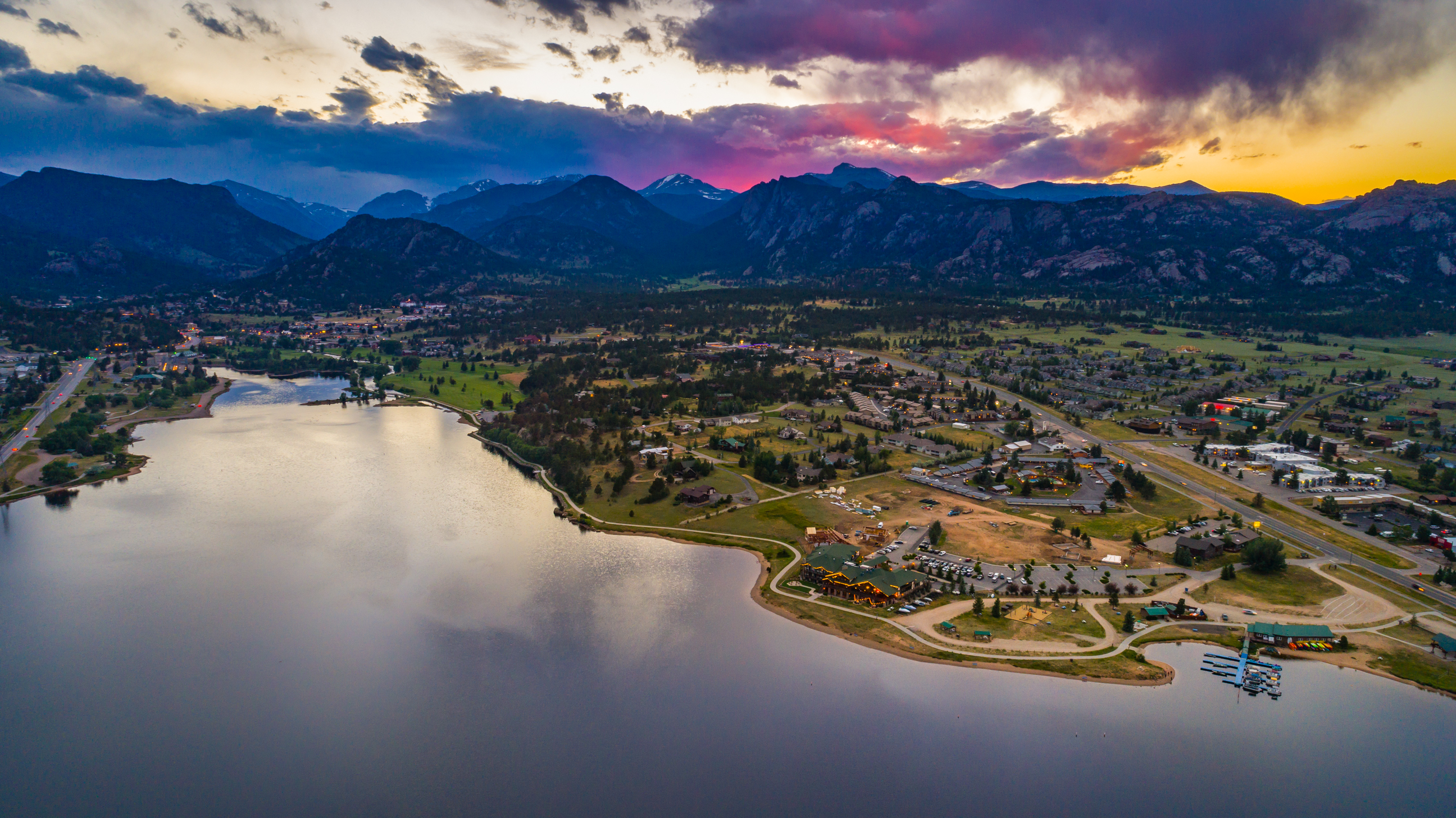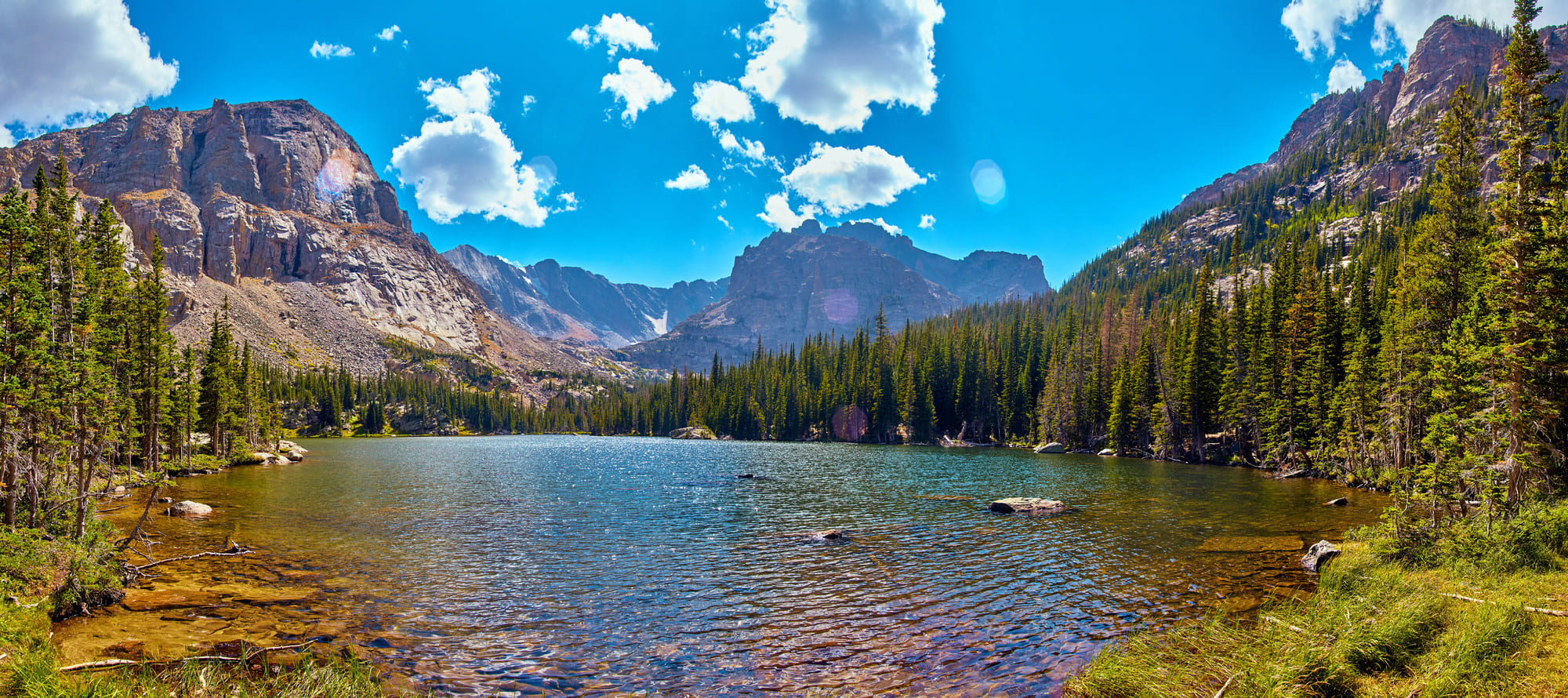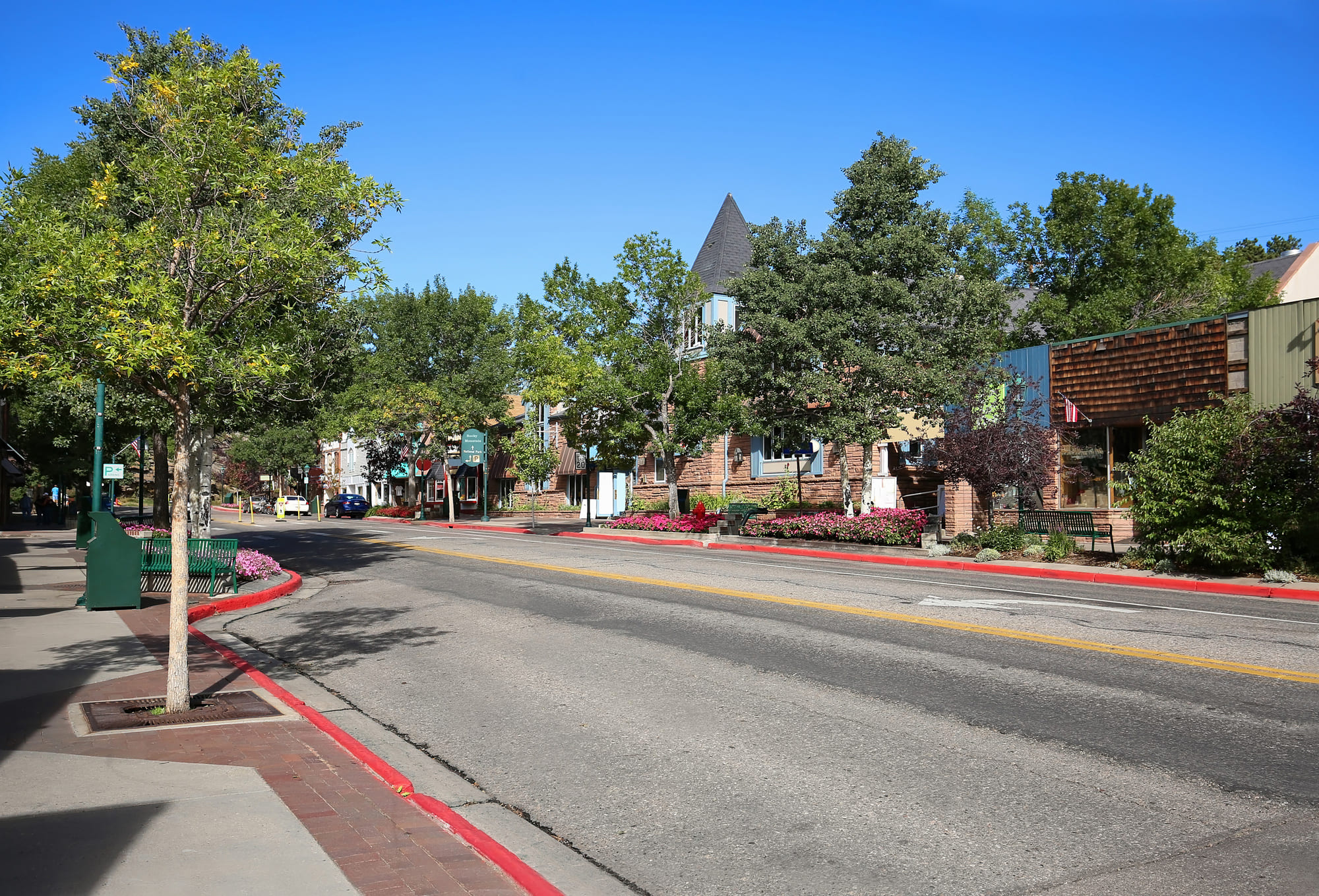


A trip to Estes Park can be just as rich in history as it is in mountain views. The area’s story includes Indigenous presence, early homesteads, ranching, tourism, national park development, and landmarks that still shape the town today. With America 250 coming up in 2026, it is a meaningful time to explore Estes Park, Colorado, history while staying close to Lake Estes with Mountain Village at Lake Estes.
A Quick History of Estes Park
Estes Park’s history begins long before the town became a gateway to Rocky Mountain National Park. People have traveled through and lived in the region for thousands of years, drawn by the mountains, wildlife, water, and seasonal resources. Later, the Estes Valley became part of the story of westward movement, ranching, guiding, hospitality, and early mountain tourism in Colorado.
The town takes its name from Joel Estes, who came to the valley with his family in the 1850s. In the decades that followed, ranchers, guides, lodge owners, and early visitors helped shape the area into a mountain destination. By the early 1900s, Estes Park was becoming known for fresh air, dramatic scenery, and access to the high country.

Historical Sites in and Around Estes Park
Estes Park makes it easy to pair outdoor adventure with historic stops. Some sites are right in town, while others are located inside Rocky Mountain National Park or nearby mountain corridors. Each one gives guests a different look at the history of Estes Park, Colorado, from homesteading and ranching to early tourism and engineering.
Holzwarth Historical Site
Holzwarth Historical Site sits on the west side of Rocky Mountain National Park in the Kawuneeche Valley. The site shares the story of John and Sophia Holzwarth, German immigrants who homesteaded in the area in the early 1900s and later operated a guest ranch known as the Never Summer Ranch.
This is a good stop for visitors who want to see what mountain homesteading and early dude ranch life looked like. The walk from the parking area to the historic buildings is relatively short, and the setting gives you open valley views, mountain scenery, and a strong sense of how remote life would have felt at the time.
- Location: Grand Lake, CO 80447
- Phone: 970-586-1206
MacGregor Ranch
MacGregor Ranch is one of the most important ranching sites in Estes Park. Established in 1873 by Alexander and Clara MacGregor, the property helps preserve the story of early cattle ranching, homesteading, and family life in the Estes Valley.
The ranch still operates as a working cattle ranch and living history museum. Visitors can see original furnishings, photographs, personal belongings, historic buildings, and ranching tools that connect the property to multiple generations of local history.
- Location: 180 MacGregor Lane, Estes Park, CO 80517
- Phone: 970-586-3749
Historic Fall River Hydroplant
The Historic Fall River Hydroplant adds a different kind of history to your trip. Built in 1909 to provide electricity for The Stanley Hotel, the hydroplant also helped bring power to Estes Park. It later became part of the town’s utility history and was damaged during the 1982 Lawn Lake Flood.
Today, the hydroplant is a museum site that helps visitors understand early electricity, local engineering, and the connection between tourism and town development. It is a compact stop, but it tells an important story about how Estes Park grew from a remote mountain destination into a more connected community.
- Location: 1754 Fish Hatchery Road, Estes Park, CO 80517
- Phone: (970) 586-6256
The Stanley Hotel
The Stanley Hotel is one of the most famous historic landmarks in Estes Park. Opened in 1909 by Freelan Oscar Stanley and his wife, Flora, the hotel helped bring a new level of tourism and visibility to the area. Its white exterior, mountain backdrop, and grand public spaces still make it one of the most recognizable buildings in town.
The Stanley is known for its history, architecture, tours, and connection to Stephen King’s The Shining. Even if you are not staying there, it is worth visiting for the views, the building, and the way it reflects Estes Park’s early 20th-century tourism boom.
- Location: 333 E Wonderview Ave, Estes Park, CO 80517
- Phone: 970-577-4000
The Elkhorn Lodge
The Elkhorn Lodge is one of Estes Park’s oldest historic lodge properties. Built by W.E. James, the lodge became part of the town’s early hospitality history when travelers came to the mountains for fresh air, fishing, scenery, and rustic comfort.
The property was listed on the National Register of Historic Places in 1978 and includes buildings tied to the area’s early resort era. While access and operations have changed over time, the site remains an important piece of Estes Park’s architectural and lodging history.
- Location: 600 W. Elkhorn Avenue, Estes Park, CO 80517
Estes Park Museum
The Estes Park Museum is one of the best places to understand the area’s history in one stop. Exhibits cover local people, tourism, ranching, transportation, Rocky Mountain National Park connections, and the growth of Estes Park as a mountain community.
This is a good first stop if you want context before visiting other historic sites. It is also a helpful rainy-day option or a lighter activity when your group wants a break from hiking.
- Location: 200 4th St, Estes Park, CO 80517
- Phone: 970-586-6256
Planning a History-Focused Day in Estes Park
Estes Park has enough history to fill several days, so there is no need to rush through it all at once. A slower plan gives you more time to enjoy each stop and still return to your rental without feeling worn out. A few simple planning tips can make the day feel smoother:
- Start early
- Check hours first
- Watch the weather
- Plan by location
- Leave room for views
- Bring layers
- Know your route
Keeping the day flexible gives you more time to enjoy each stop without feeling rushed. It also makes it easier to return to your rental for a quiet evening by the lake, a meal with your group, or time outside by the fire.
Stay Close to the Story with Mountain Village at Lake Estes
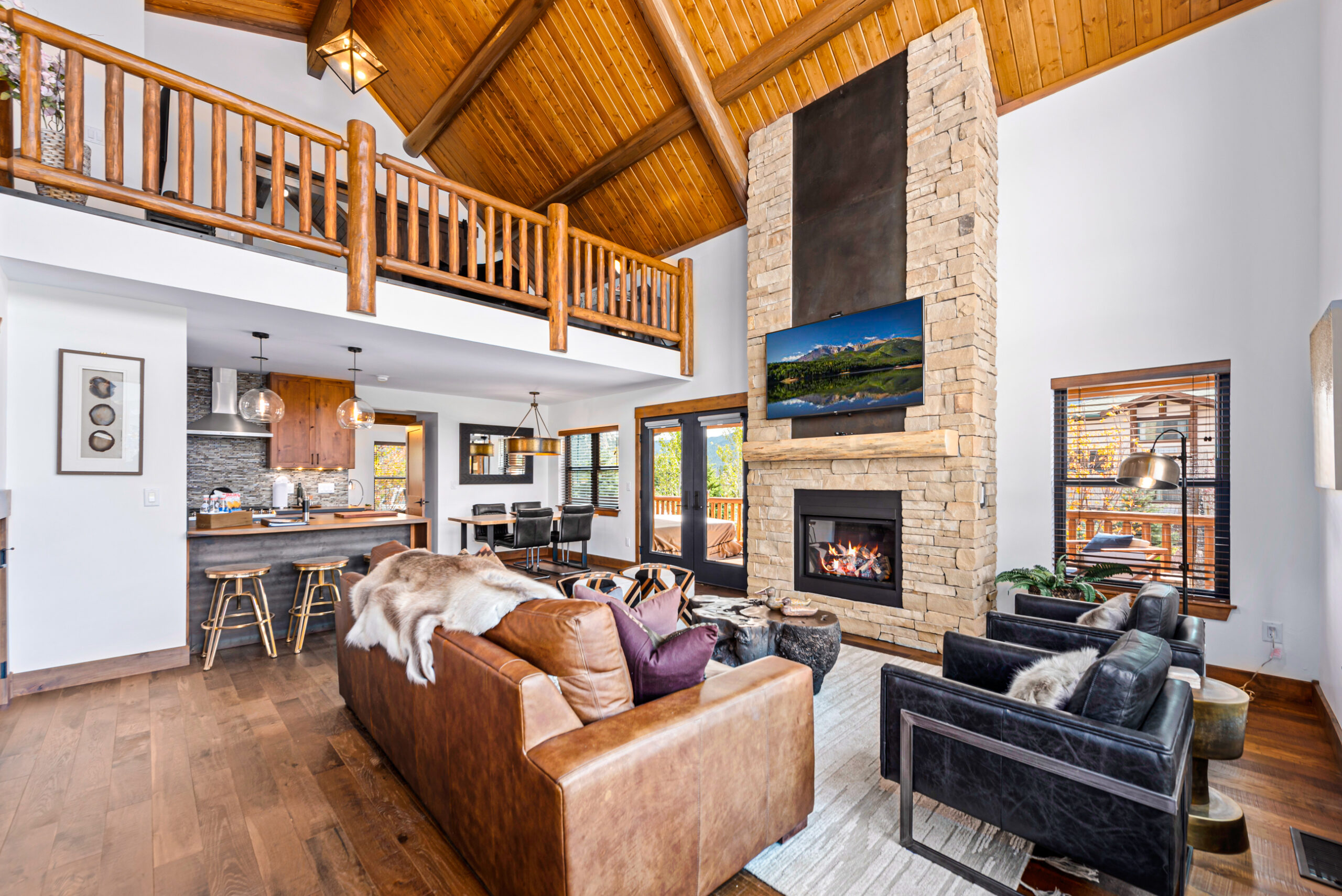
Mountain Village at Lake Estes gives guests a comfortable place to return after exploring the history around Estes Park. Our vacation rentals combine rustic mountain style with polished interiors, lake views, mountain scenery, and the space groups need to spread out. Depending on the property you reserve, features may include:
- Lake or mountain views
- Private hot tubs
- Outdoor fireplaces or furnished outdoor spaces
- BBQ grills
- Open living areas with natural light
- Comfortable bedrooms for relaxing after a day out
- Free Wi-Fi and televisions
- Laundry facilities
- Pet-friendly options
Staying near Lake Estes keeps you close to the town’s historic sites while still giving you the mountain setting you came for. After a day at a museum, ranch, lodge, or national park site, you can come back to a quiet cabin-style retreat and enjoy the view.
Plan Your Estes Park History Getaway
Exploring local history adds another layer to an Estes Park vacation. Book your stay with Mountain Village at Lake Estes and enjoy a vacation that brings together lake views, mountain comfort, and easy access to Estes Park’s historic landmarks.